
Optoma PV2223+ projector lamp
The Optoma PV2223+ takes lamp BL-FS180B, a 180 W lamp rated for 2,000 hours. It is available both as a complete module (bulb fitted in its housing) and as a bare bulb for re-using your existing housing. The same lamp is also sold under 4 other part numbers, all listed below. It fits 25 Optoma models in total.
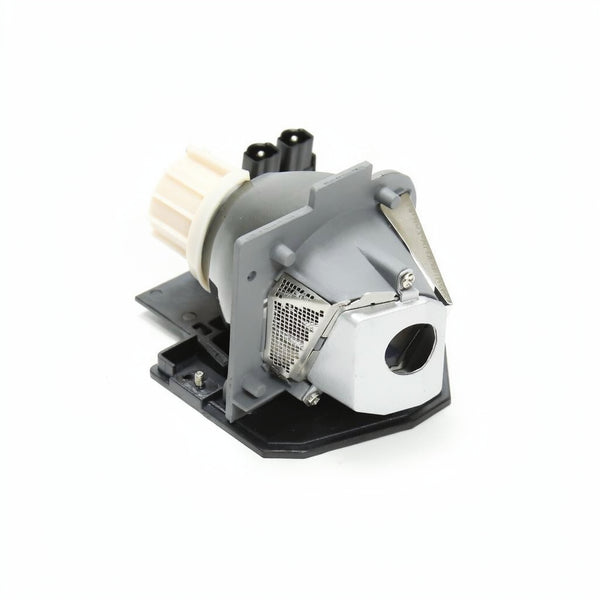
Replacing the Optoma PV2223+ lamp.
The Optoma PV2223+ uses the BL-FS180B lamp, also sold as SP.88N01GC01. It is a 180W bulb rated for 2,000 hours of life. We sell it in two forms: as a complete module with the bulb fitted in its housing, or as a bare bulb to fit your existing housing.
We do not have specific projector specifications in our records for the PV2223+. However, the lamp is shared across 24 other Optoma models, including the DP7130, DP7235, DS306 and DS312. Owners of those projectors need the same BL-FS180B part.
Check the code printed on the old lamp or the projector's model label before ordering. If you need the quicker swap, choose the complete module. If you prefer to reuse your current housing, choose the bare bulb. After fitting, reset the lamp-hour counter from the projector's menu. Every lamp we sell carries a genuine OEM burner, and comes with a 180-day guarantee from the day it arrives, with replacement or refund.
Checked against our catalogue and the projector's published specifications, October 2026.Every code this lamp is sold under.
The code moulded into your old lamp or printed on its housing may be any of these. If it appears here, it fits the Optoma PV2223+.
Check the code before you order
The code on your old lamp or its housing should match one of the codes listed. Optoma and third-party suppliers sell the same lamp under several numbers.
Not sure it's your model?
The model number is on a label on the base or rear of the projector, and in the on-screen menu under Information. Still unsure? Ask a specialist and we'll confirm.
This lamp also fits 24 other Optoma models.
If your projector is one of these rather than the PV2223+, the same lamp is the correct part.
Common questions.
Which lamp does the Optoma PV2223+ use?
The Optoma PV2223+ uses the BL-FS180B lamp, also sold as SP.88N01GC01. It is a 180W bulb rated for 2,000 hours of life. We supply it as either a complete module with the bulb fitted in its housing, or as a bare bulb to fit your existing housing.
Is SP.88N01GC01 the same as BL-FS180B for the Optoma PV2223+?
Yes, SP.88N01GC01 is an equivalent code for the BL-FS180B lamp used in the Optoma PV2223+. Both codes refer to the same 180W bulb. Whether you choose the complete module or the bare bulb, either part number fits this projector and provides the same rated life.
How long does the Optoma PV2223+ lamp last?
The Optoma PV2223+ lamp, the BL-FS180B, is rated for 2,000 hours of life. This applies to both the complete module and the bare bulb options we sell. The rated life assumes normal operating conditions and proper maintenance of the projector's air filters.
Which other Optoma projectors use the same lamp as the PV2223+?
24 other Optoma projectors use the same BL-FS180B lamp as the PV2223+, including the DP7130, DP7235, DS306 and DS312. Owners of those models need the same BL-FS180B lamp, which is also sold as SP.88N01GC01 and comes as either a complete module or a bare bulb.
How fast is delivery for the Optoma PV2223+ lamp?
Delivery for the Optoma PV2223+ lamp takes 3 to 7 working days to the Middle East and Africa, and around 5 to 9 working days to the rest of the world. Shipping is included in the price shown online, so there is no extra delivery charge for this part.